
Wondering when to use an apostrophe?
Apostrophes seem confusing, right?
But they’re actually quite simple.
There are only two ways to use them.
And it takes less than a minute to learn how…
Here’s When to Use an Apostrophe
Let’s start with the first way.
1. To show a belonging relationship.
Let’s say we’re talking about a cat’s whiskers.
The whiskers belong to the cat, right?
So we use an apostrophe to connect the whiskers with the cat.
When it’s ONE cat, put the apostrophe BEFORE the ‘s’.
Like this:
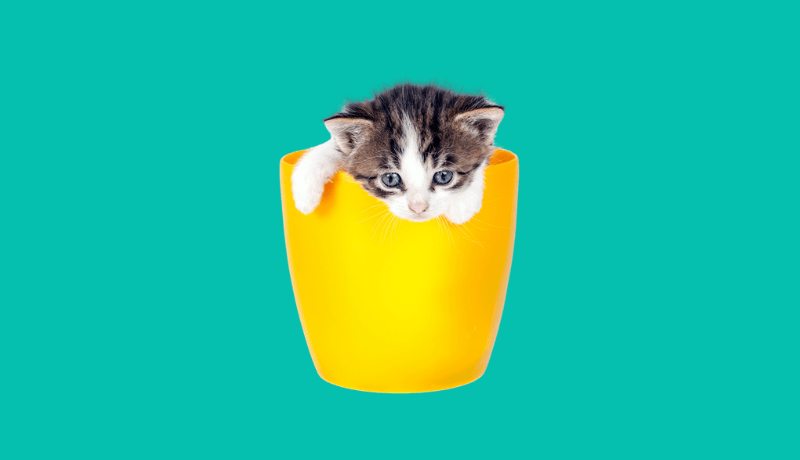
That cat’s whiskers are tiny.
When it’s many cats, put the apostrophe AFTER the ‘s’.
For example:
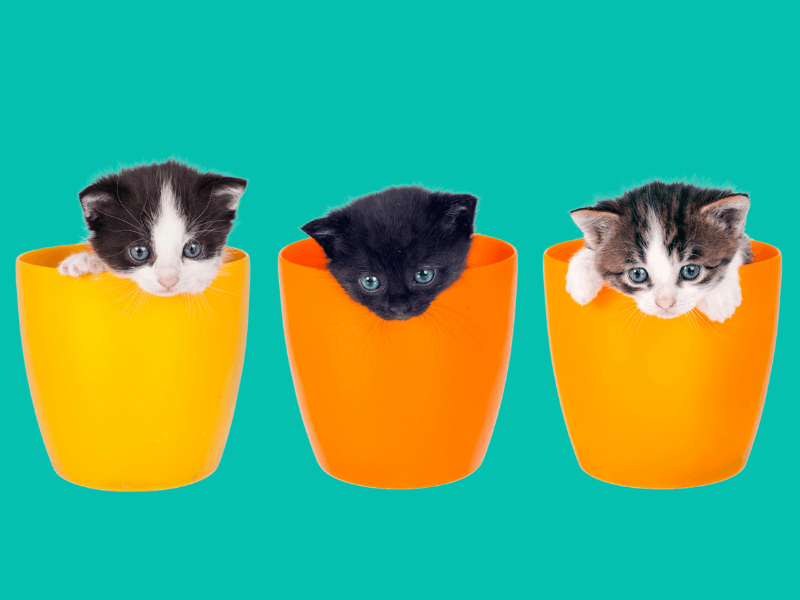
Those cats’ whiskers are long.
Those are the apostrophe rules after ‘s’.
So that’s the first way you use apostrophes.
What’s the second way?
2. To show you’ve shortened a word.
For example:
That kitten’s winking.
…is short for…
That kitten IS winking.
The apostrophe is there to replace ‘is’.

That’s really all there is to it!
Oh, and here’s a bonus tip for you…
Don’t automatically add an apostrophe to a plural.
For example:
Kittens are adorable.
NOT
Kitten’s are adorable.
Congratulations!
Now you know when to use apostrophes.
Not that hard, is it?